Kamakura might not be the first name that comes to mind when you are planning a trip to Japan, but it absolutely should be.
Nestled between forested hills and the ocean, this small coastal city offers a wonderful mix of mountain calm, seaside charm, and spiritual history, all just a short trip from Tokyo or Yokohama.
We decided to take a day trip to Kamakura, though honestly, Kamakura deserves at least a night or two.
We rented a car, which gave us the freedom to explore at our own pace.
If you’re traveling through Japan and want somewhere that feels slower, more grounded, and rooted in centuries of tradition, Kamakura is that place.
A day trip to Kamakura will leave you wanting to come back for more, believe me.
If this is your first trip to Japan, this article might help you: Traveling To Japan: 20 Things You Need To Know
Day Trip To Kamakura: Getting to Kamakura
Most travelers come to Kamakura from Tokyo, which is roughly an hour away. You have three main options:
By Train:
Take the JR Yokosuka Line from Tokyo Station directly to Kamakura Station; it’s the simplest and fastest route.
Trains leave frequently, and you’ll arrive right in the heart of town.
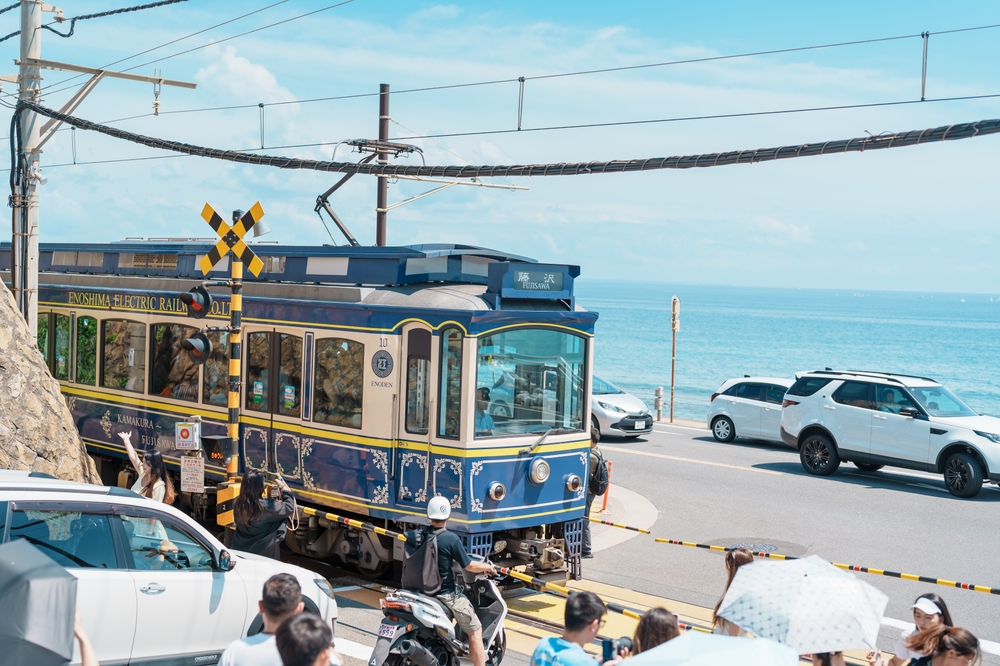
From there, you can walk, rent bikes, or hop on the Enoden Line to get around.
By Car:
We drove, turning the outing into a mini road adventure.
The drive is scenic, especially as you leave the Tokyo sprawl and wind through tree-covered hills into Kamakura’s narrow lanes.
Parking is available near the temples and beaches, but it fills quickly.
Parking lots are easy to find within the city.
With a Tour:
If you’d rather skip logistics, join a Kamakura & Enoshima Day Trip from Tokyo.
These tours generally cover the Great Buddha, Hasedera Temple, and Enoshima Island.
They are ideal if you want an easy, structured day without planning the details.
Day Trip To Kamakura: What To Do In Kamakura
The Great Buddha of Kamakura (Kōtoku-in)
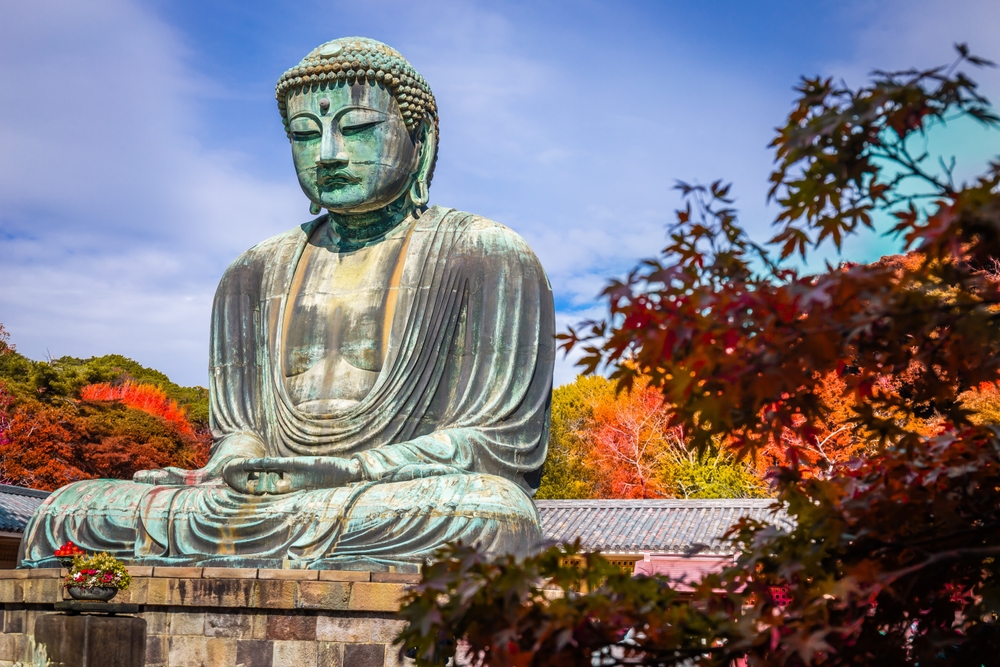
Our first stop was Kōtoku-in, home of the famous Daibutsu, a massive bronze Buddha seated calmly under the open sky.
No matter how many photos you’ve seen, standing beneath it feels completely different.
This 13th-century statue has survived earthquakes, fires, and floods, and still sits exactly where generations of pilgrims have stood.
For a small fee, you can even step inside the statue and see the ancient metalwork from within.
It’s peaceful, awe-inspiring, and well worth seeing, even in the rain.
It is 11.4 meters, and is the second-tallest bronze Buddha statue in Japan.

Hasedera Temple: Beauty and Blessings
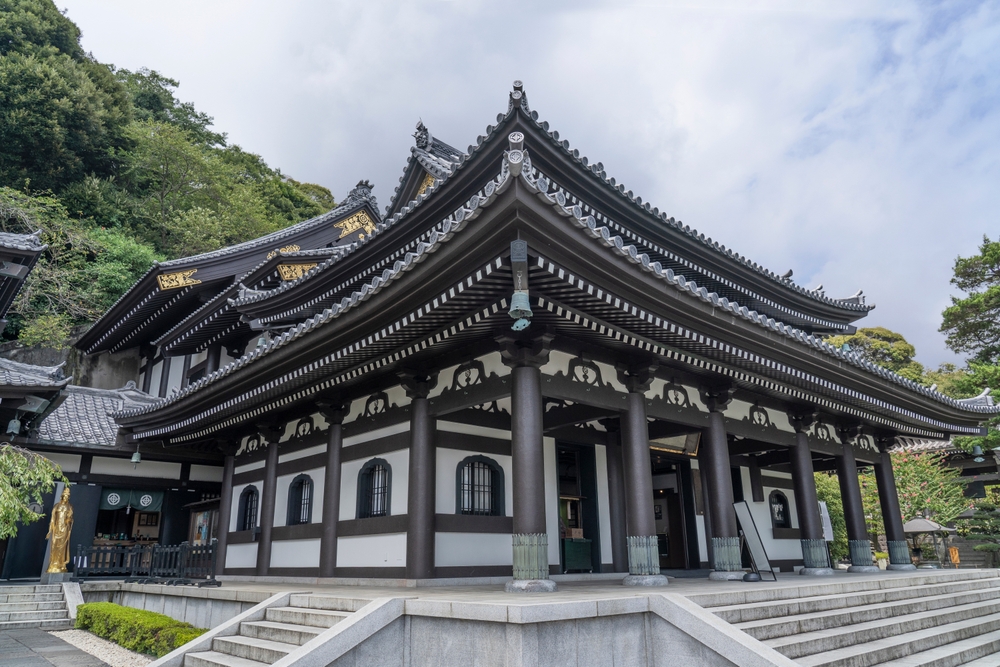
A short walk from the Great Buddha took us to Hasedera Temple, one of the most visually stunning stops of the day.
Built on a hillside overlooking the bay, the views alone are worth the visit.
Inside the main hall, you’ll find the large, eleven-headed statue of Kannon.
The grounds include ponds, stone lanterns, winding steps, and a cave shrine full of carvings tucked into the rock.
One of the most striking features is the rows of tiny Jizō statues, placed in memory of lost children.
There’s a small café near the top where you can sit with a drink and watch the coastline stretch beneath you.
Book: From Tokyo: Kamakura Daibutsu Trail & Tour to Great Buddha
Engaku-ji: The Temple of Tranquility
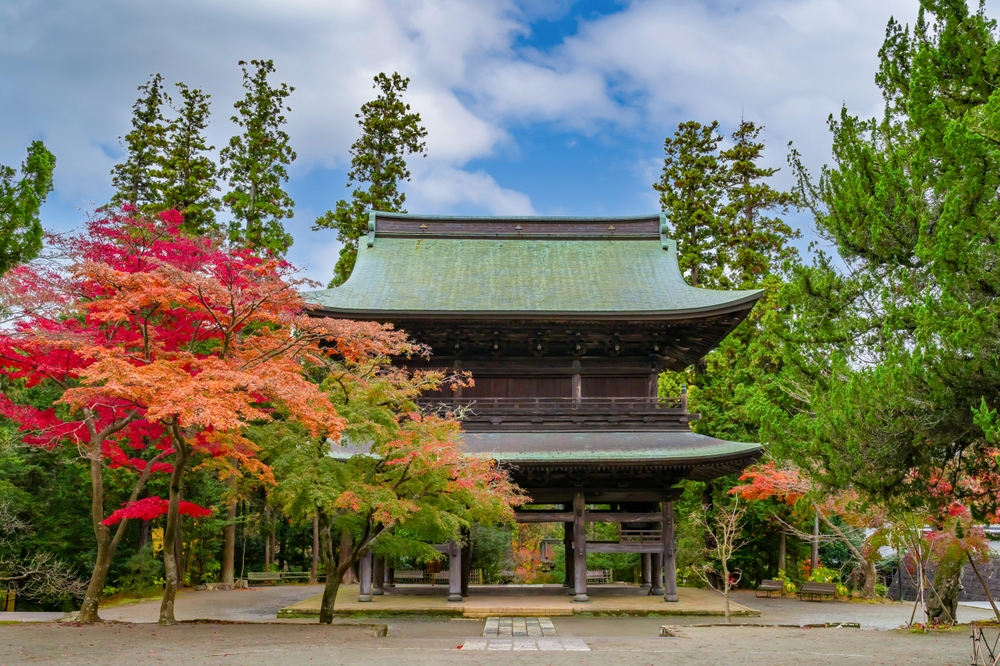
Next, we visited Engaku-ji, a Zen temple founded in the 13th century.
To me, this felt like the spiritual heart of the day; it was quieter, cooler, and shaded by towering cedar trees.
The temple complex is large, with multiple buildings, gates, and paths that give you space to wander.
It’s beautiful in autumn when the maples burn bright red and orange.
Engaku-ji’s bell, one of the largest in Japan, sits up on a small hill and is worth the climb if you want a photo overlooking the valley.
Take a look at Kamakura Private & Customizable Tour – All-in-One Experience
Komachi-dori Street: Food, Crafts, and ‘Vibes’
After so much tranquility, Komachi-dori jolted us right back into modern Japan.
This long pedestrian street is packed with food stalls, small boutiques, and souvenir shops.
It’s chaotic, colourful, and perfect for grazing your way through lunch.
We tasted matcha sweets, sweet-potato chips, and soy-glazed rice crackers.
If you love collecting small, useful souvenirs (chopsticks, ceramics, fans, notebooks), this street will keep you busy.
A highlight was Glanta, a metalworking studio where you can design and create your own ring.
It’s incredibly popular, especially with younger travellers.
There is a lane full of food stalls frying croquettes, takoyaki, and chicken skewers.
And offering the freshest seafood available.
A Tour You Will Love: Kamakura: A Journey Through Medieval Japan

Zeniarai Benzaiten Shrine: The Money-Washing Cave Shrine
If you want something a little different from the big temples and main shrines, head to Zeniarai Benzaiten Shrine, tucked inside a rocky cave on the western side of Kamakura.
It’s one of the most unique spots in the whole region and a favourite among younger travellers.
You reach the shrine by walking through a tunnel carved directly into the hillside.
The shrine is dedicated to Benzaiten, the goddess of music and prosperity, and it’s famous for its ritual of washing your money in the sacred spring.
According to tradition, money washed here is said to multiply as long as you spend it wisely afterward.
The shrine grounds are small but atmospheric, with lanterns, water basins, incense, and little side paths branching off the main cave area.
If you have a spare hour or want a spot that feels a bit more off the usual tourist route, Zeniarai Benzaiten is absolutely worth adding to your day.

Optional Side Trip: Enoshima Island
With a car, we made the short drive to Enoshima Island, about 15 minutes south of Kamakura.
Connected by a bridge, it feels like its own small world. It is part shrine complex, part seaside escape.
Enoshima has beaches, gardens, the Enoshima Sea Candle (a lighthouse viewing tower), sea caves, and a shrine dedicated to Benzaiten.
On clear days, you can see Mount Fuji rising across the water. The island is lively without feeling crowded, and the walk up the hill is lined with cafés and seafood restaurants.
If you’re not driving, book a Kamakura and Enoshima tour from Tokyo. They handle all the transfers, which is a blessing on busy days.

If You Have More Time: Kamakura Is Bigger Than You Think
Even though we went for a day, it became obvious very quickly that Kamakura is not a “small town with a couple of temples.” You could spend three days here and still miss things.
A few extra spots worth mentioning:
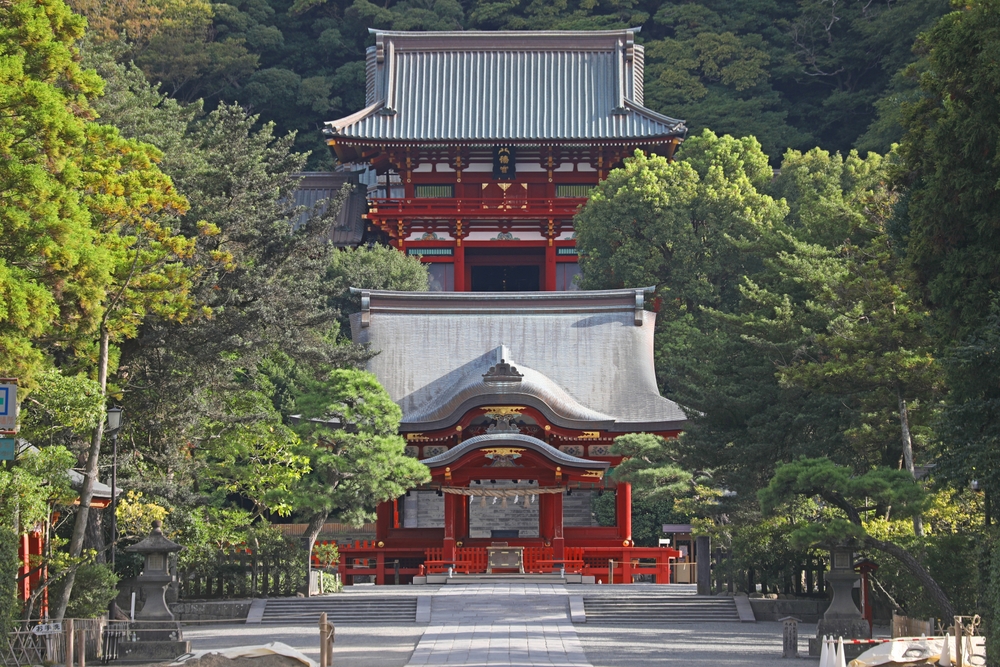
Tsurugaoka Hachimangu Shrine
This is Kamakura’s main shrine, and it’s huge. The long walkway leading to it feels ceremonial, lined with ponds, bridges, and lanterns. Weddings often take place here so you may stumble on a procession.
Kencho-ji
One of Japan’s oldest Zen training monasteries. It’s a bit further out, but worth the visit if you’re into history, gardens, or traditional temple architecture.
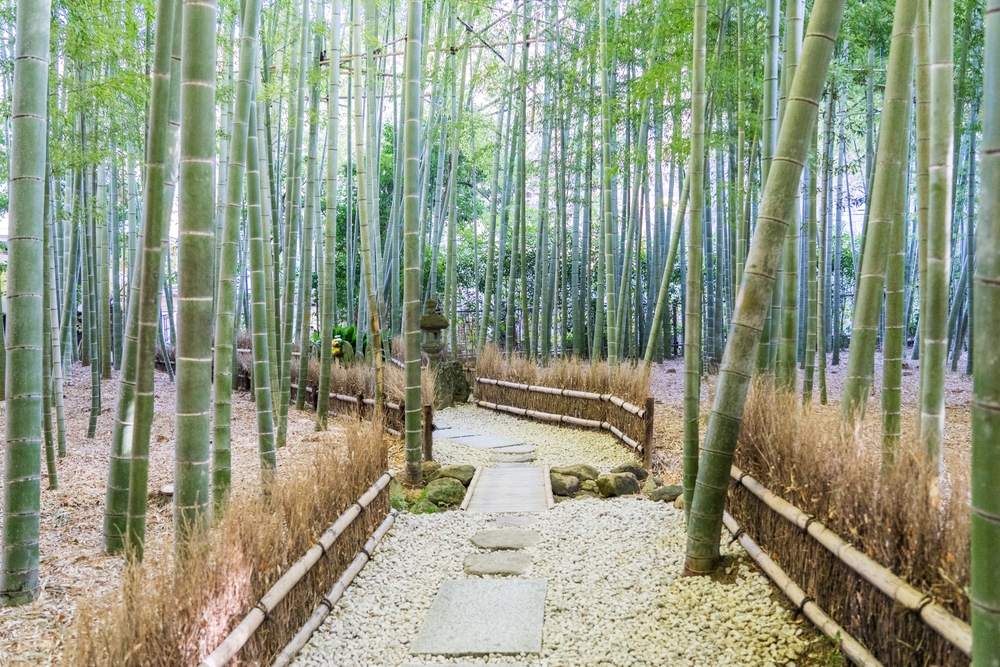
The Bamboo Temple (Hōkoku-ji)
A pocket-sized bamboo forest that feels like a smaller, calmer version of Kyoto’s Arashiyama. There’s a tea house inside where you can sit with matcha and listen to the wind.
The Daibutsu Hiking Trail
If you want forest, moss, and a few quiet moments away from crowds, this is your route. It connects several temples and gives you a different view of Kamakura.
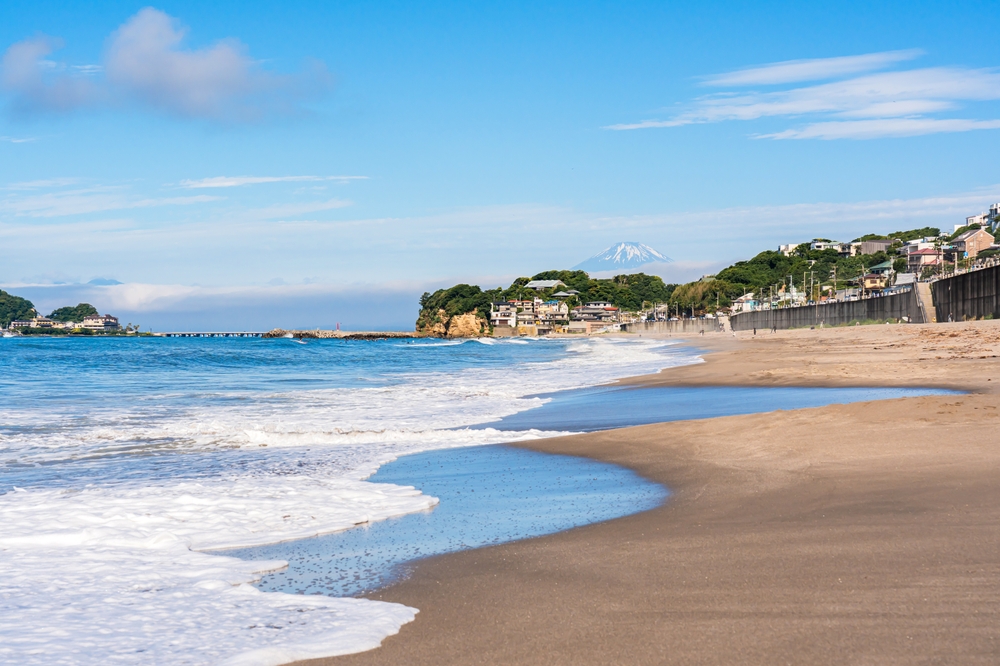
Beaches
Summer in Kamakura is full of beach cafés, surf shops, and seasonal bars that pop up all over. Even outside summer, walking the shoreline is peaceful.
Traveling To Kamakura: Essentials Packing List
Here are my tips on how to pack lightly. using a carry-on when traveling. And WHY it is almost a necessity!
This unisex RFID-blocking concealed travel pouch is lightweight and comes in several colors.
These RFID sleeves are another solution.
This Anker high-speed phone charging battery is the exact one I carry on all my trips.
My daughter gifted me this FugeTek selfie stick and tripod setup for my birthday.
It is made of lightweight aluminum and is so easy to use.
I never leave home on a trip without a non-disposable water bottle.
Then this collapsible silicone foldable water bottle would work well for you.
This foldable water-resistant backpack would be great for a daily go-pack.
These quick-dry slip-on Aqua shoes will be useful when visiting Kamakura beaches!
These men’s quick-dry trunks are essential.
For women, this one-strap one-piece bathing suit is amazing.
Consider bringing along quick-dry super-absorbent microfiber towels.
This wet-dry bag with handles is a good option.
These unisex polarized sunglasses come in many lens colors and frame designs and are extremely affordable, too.
If you like aviator-style sunglasses, these polarized aviators may interest you.
As an Amazon Affiliate, I earn from qualifying purchases.
Day Trip To Kamakura: Where To Eat
Kamakura has everything from seaside brunch spots to tiny hole-in-the-wall soba shops.
Great picks include:
- Bills Shichirigahama – a beach-side Australian café famous for ricotta pancakes and ocean views.
- Lon Café Enoshima – a gorgeous French-toast café perched on Enoshima Island, known for sweet plates, coffee, and stunning seaside views
- Kamakura Matsubara-an – Beautiful traditional soba restaurant in a historic wooden house. Great atmosphere, proper sit-down meals, vegetarian-friendly options, and very popular with younger Japanese women.
If you want something quick, Komachi-dori is perfect for grazing. Just follow the smell of hot, sweet potatoes and grilled mochi.

Where to Stay in Kamakura
If you decide to stay overnight, and I recommend it if you have the time, here are some options:
- Kamakura Prince Hotel – Ocean views, outdoor pool, great for couples.
- WeBase Kamakura – Stylish, friendly hostel close to the beach.
- Hotel Metropolitan Kamakura – Clean, modern, and right by the station.
There are also ryokans with tatami rooms and hot baths if you want the full traditional experience.

More Japan Inspiration on Linda On The Run
If you’re planning a wider trip around Japan, here are some guides that will help you plan outfits, navigate the seasons, and get the most out of your itinerary:
- What To Wear in Japan in Spring – Cute, practical outfit ideas if you’re visiting during cherry blossom season.
- Japan Outfits: What To Wear in Japan in Summer – Helpful if your Kamakura trip is part of a bigger summer itinerary.
- Outfits in Japan: What To Wear in Japan in Winter – Great if you’re combining Kamakura with a Tokyo or Kyoto winter trip.
- 15 Best Things To Do in Osaka, Japan – A perfect next step if you’re heading south after Tokyo.
 What to Pack for a Mediterranean Cruise: Outfits, Essentials & Tips for Every Season