Traveling to Belgium looks easy on paper.
It’s small, central, well-connected, and surrounded by countries many people already feel comfortable visiting.
However, when I was planning my first visit, I found myself slightly anxious as I realised I knew nothing about traveling to Belgium!
If you’re traveling to Belgium for the first time, especially if this is your first trip to the country or one of your first trips to Europe, there are a handful of practical things that make a big difference.
This guide focuses less on sightseeing lists and more on the small realities that people tend not to mention until you’re already there.
These are the things I genuinely wish I had known before visiting Belgium.
I hope sharing them will make you a little less nervous about a trip to this amazing country.
Here are some things to know before traveling to Europe if this is your first time.
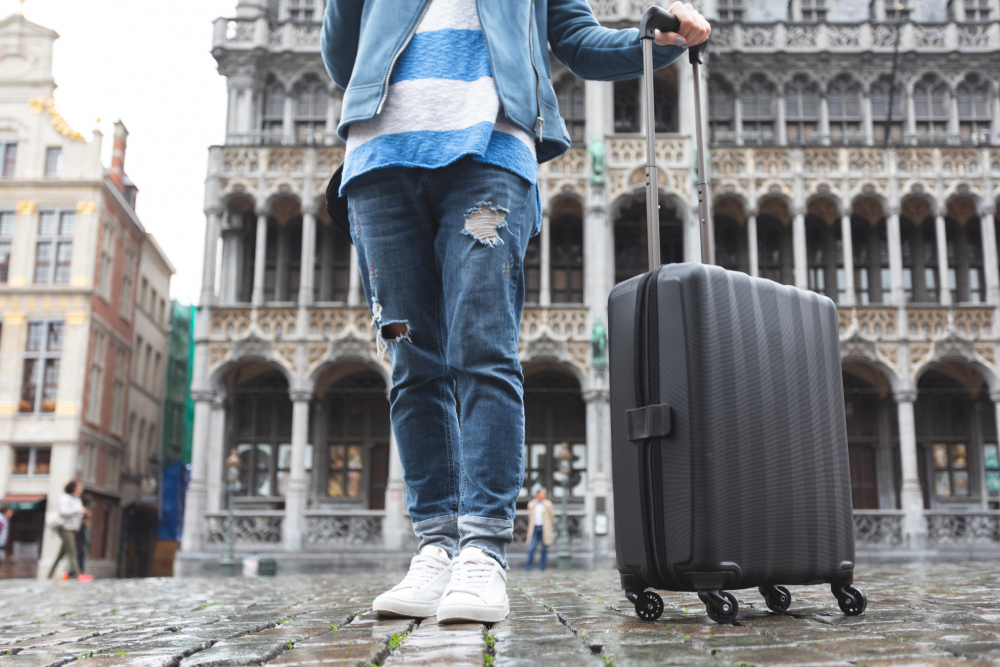
Belgium Is Small, But It’s Not All The Same
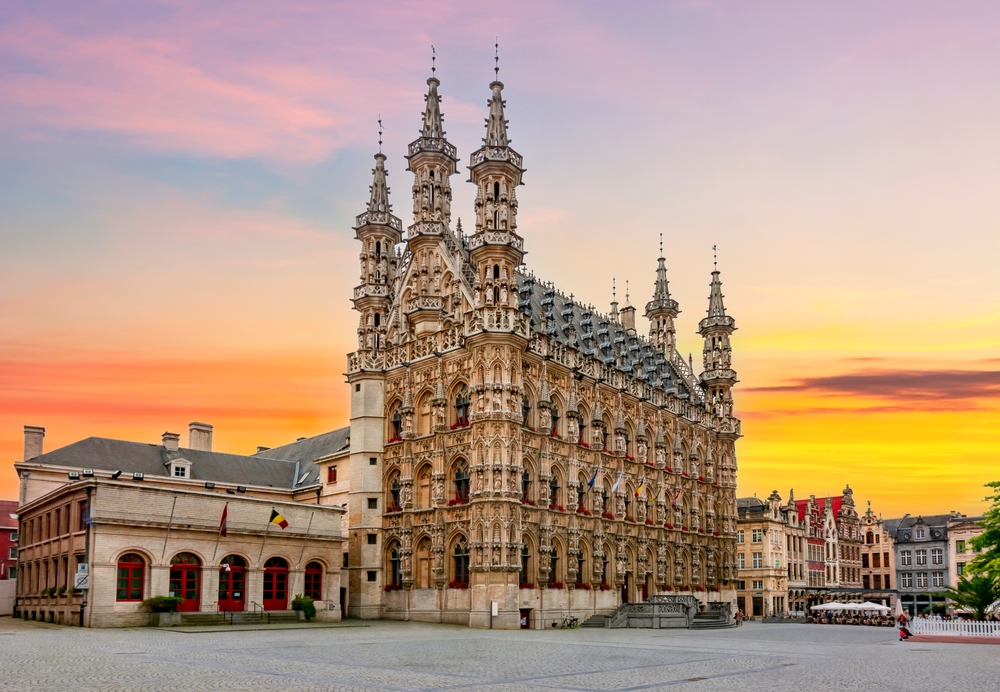
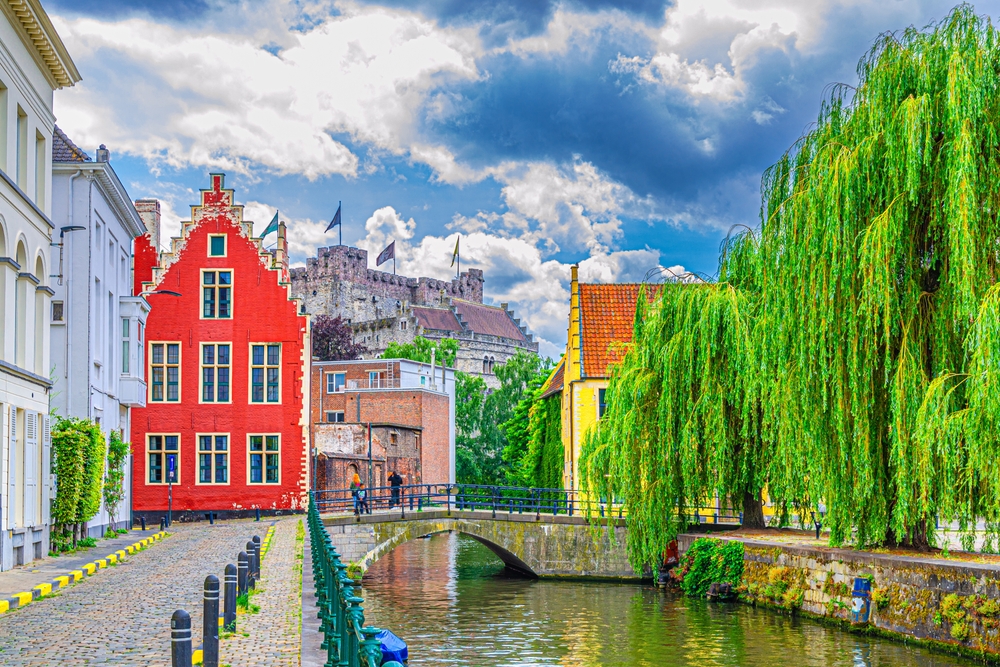
The atmosphere in Brussels, Bruges, and Ghent is completely different.
And I don’t mean just a little bit, it’s noticeably different.
Brussels feels cosmopolitan, Bruges feels like a storybook, and Ghent feels more young and hip.
When visiting Belgium, it helps to think of cities rather than assuming the whole country will feel the same.
And this is one of the things I love most about it.
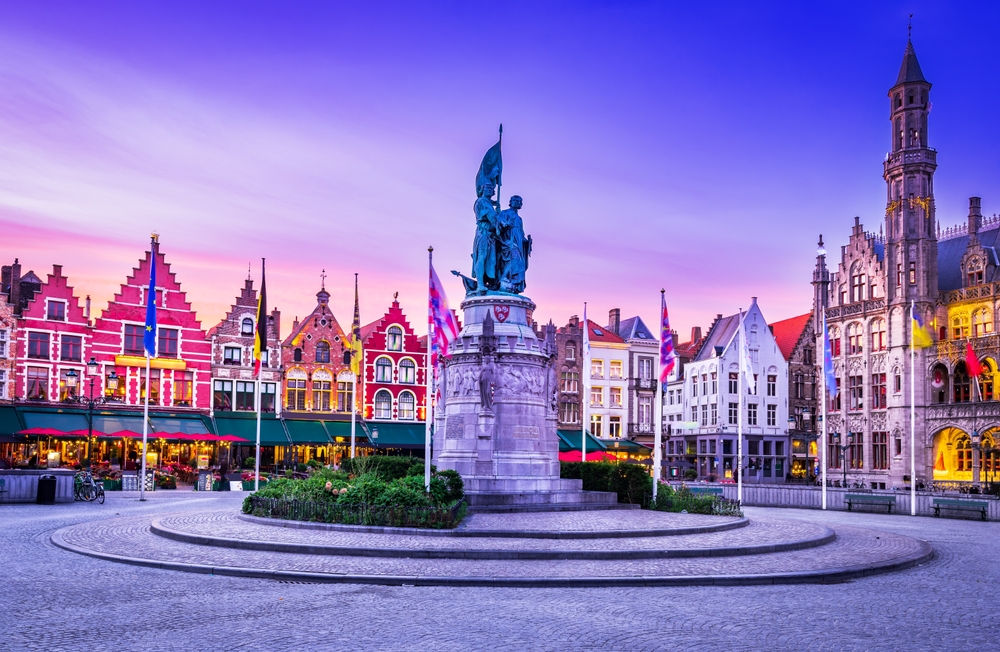
Traveling to Belgium: Language Is Part of People’s Identity
Belgium has three official languages: Dutch (Flemish), French, and German.
In practice, you’ll mostly encounter Dutch in Flanders and French in Wallonia, with Brussels operating bilingually.
When traveling to Belgium, language is not just a means of communication; it’s part of identity.
English is widely spoken, but don’t assume so.
A basic greeting in the local language goes a long way, or at least knowing what language the area you are visiting speaks.
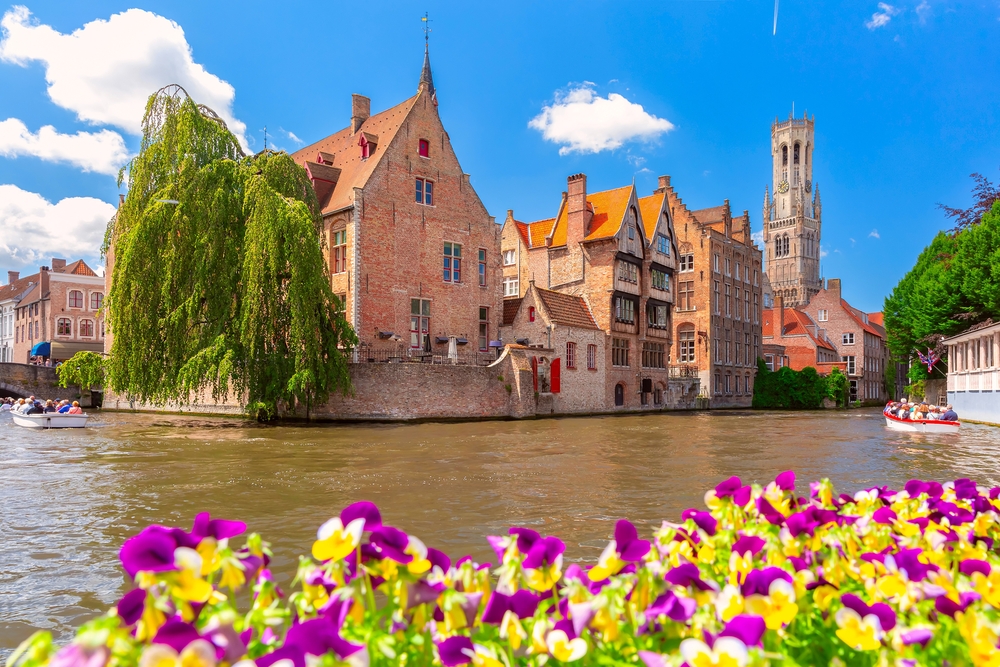
Trains Make Belgium Exceptionally Easy
Belgium’s train system is one of the easiest in Europe to use.
Cities are close together, trains run frequently, and stations are usually central.
You can stay in Brussels and take day trips to Bruges or Ghent without stress.
For first-time Belgium travel, this is a major advantage and one of the reasons the country works so well for shorter trips.
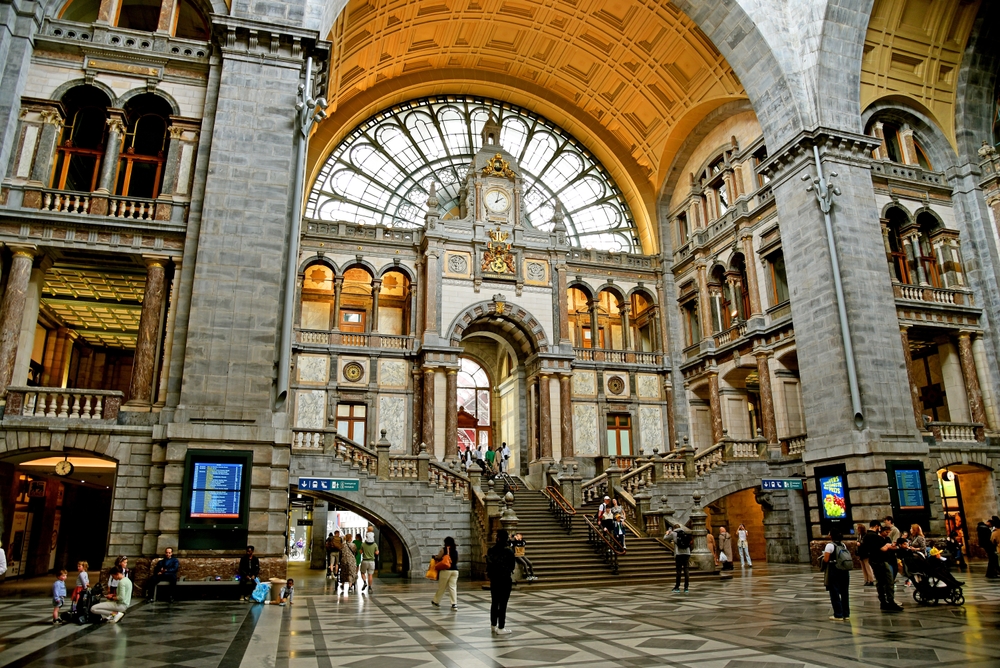
Americans Will Need ETIAS to Travel to Belgium
Right now, Americans can visit Belgium and most of Europe for short stays without a traditional visa, but that will change soon.
Starting in late 2026, travelers from the United States will need to apply for ETIAS (European Travel Information and Authorisation System) before visiting countries in the Schengen Area, including Belgium.
ETIAS is not a visa, but it is a travel authorization that must be completed online before your trip.
The process is expected to be quick and inexpensive, but it will be a required step before boarding a flight to Europe.
If you’re planning future travel to Belgium or other European destinations, it’s worth checking the latest ETIAS requirements before your trip.
You Will Walk More Than You Expect
Belgian cities are compact, but dense. You will walk more than you plan to, often on uneven stone streets.
When visiting Belgium, footwear matters more than fashion.
Comfortable walking shoes are not optional, especially in historic city centers where cobblestones are everywhere.
I find footwear like these white walking sneakers really comfortable for all-day city walking.
Power Plugs and Chargers Are European Standard (Type C & E)
Belgium uses standard European Type C and Type E plugs, with a 230V supply.
If you’re traveling to Belgium from the US, UK, or anywhere outside mainland Europe, you will need a plug adapter.
Many hotels have USB ports, but they are not guaranteed, especially in older buildings.
A simple European adapter usually covers phones, laptops, and cameras without issue, but high-powered items like hair tools may not work properly unless they are dual voltage.
Packing a small universal adapter saves time, money, and the frustration of hunting one down after arrival.
I find this Universal Adapter really useful.
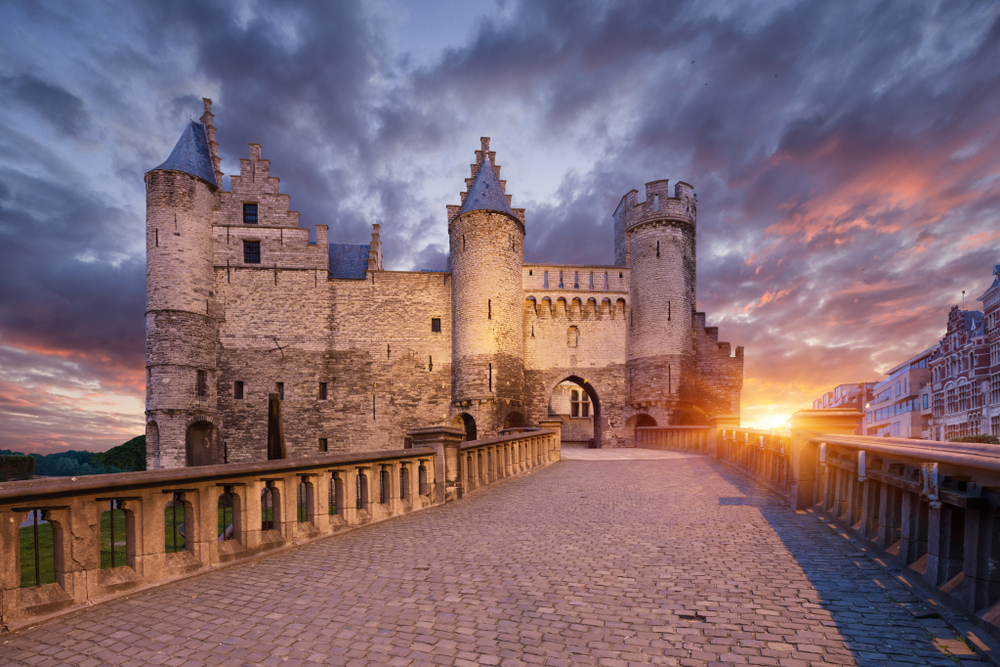
Restaurants Close Earlier Than You Think
Belgium is not the place for a late-night dining culture.
Many kitchens close between 9:30 pm and 10 pm, particularly outside major tourist areas.
If you’re traveling to Belgium and are used to Southern European dining hours, this takes adjustment.
Just check before you go out so you aren’t disappointed, and enjoy the quieter evenings.
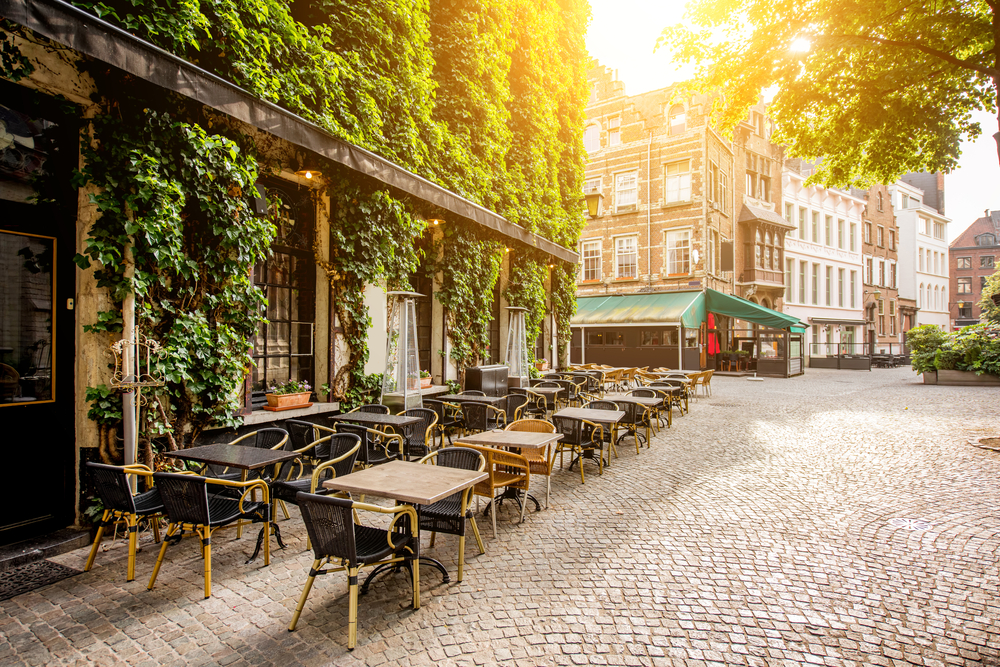
Mobile Data, SIM Cards, and Roaming Aren’t Automatic
If you’re traveling to Belgium from outside the EU, don’t assume your phone plan will work.
EU roaming applies to EU-based SIMs, but travelers from the US, UK, and elsewhere often need an international plan, local SIM, or eSIM.
So check with your phone carrier before traveling to Belgium.
Wi-Fi is available in hotels and cafés, but it’s not universal or always reliable on the move.
Setting up mobile data before you arrive makes navigating trains, maps, and reservations much easier.
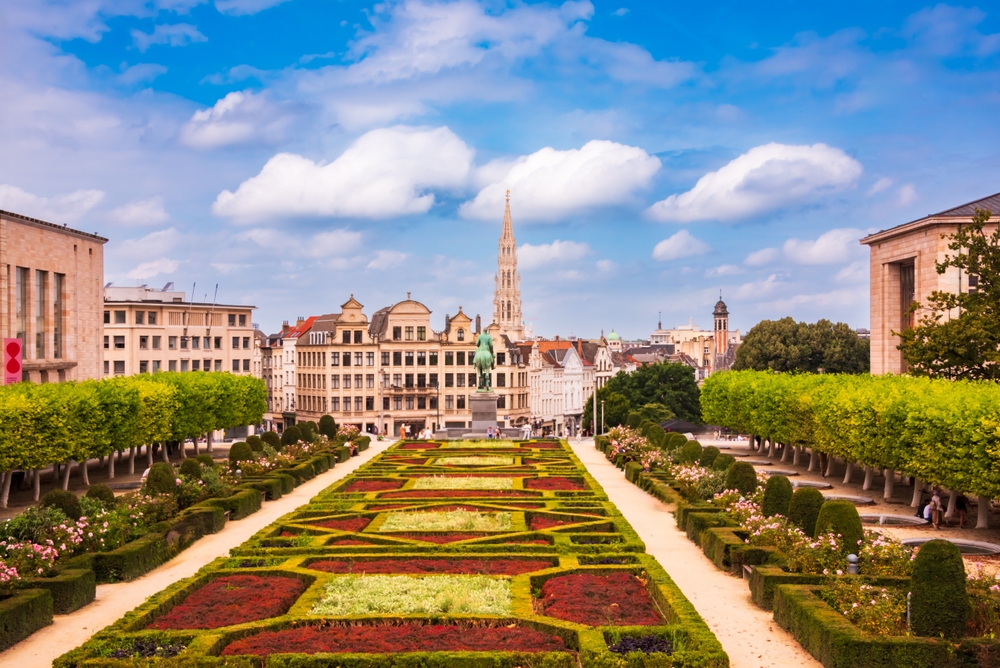
Sundays Are Genuinely Quiet
Belgium takes Sundays seriously. Shops close, smaller towns slow down, and restaurant hours shrink.
It is a day of rest, and while there are some exceptions, and this may be different in tourist areas, it’s worth keeping in mind.
When visiting Belgium, use Sundays for museums, walks, and relaxed café time rather than errands or shopping.
If you plan for it, you will be fine, and anything you find open will be a bonus.
Check Passport Validity Before Traveling to Belgium
Before traveling to Belgium, check the expiration date on your passport carefully.
Many European countries require your passport to be valid for at least 3 months beyond your planned departure date from their country.
And in some cases, airlines may require 6 months of validity to avoid issues.
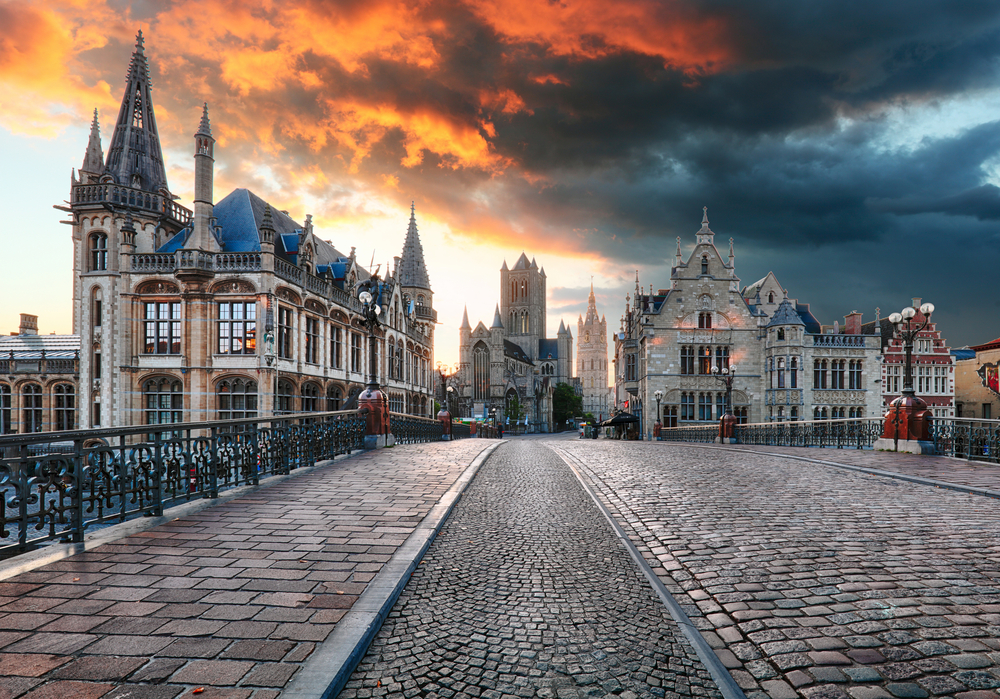
Tap Water Is Safe, But Hotel Rooms Are Often Compact
Belgium’s tap water is safe to drink everywhere, so there’s no need to buy bottled water unless you prefer it.
That said, hotel rooms, especially in older city buildings, are often smaller than what travelers from North America expect.
Storage space can be limited, and bathrooms may feel tight.
Read my article about packing lightly for tips and inspiration.
Packing a bit lighter than usual makes moving around much easier, particularly if you’re staying in historic city centers.
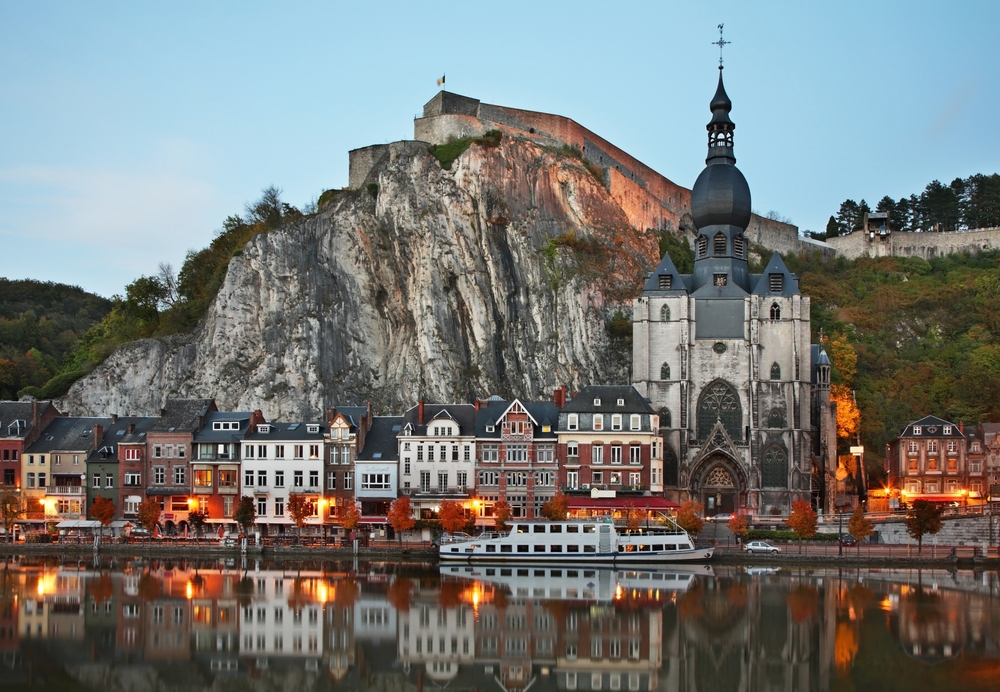
Beer Is Treated Like Wine
Belgian beer culture is a thing all in itself. There is a lot to choose from, many different glasses and sizes, and it can get confusing.
I always ask for recommendations to save the frustration of trying to understand a beer culture that I know nothing about.
And they always delivered a beer that I liked, so it worked.
So, asking for a beer won’t cut it. Be specific. Ask questions.
Weather Changes Quickly
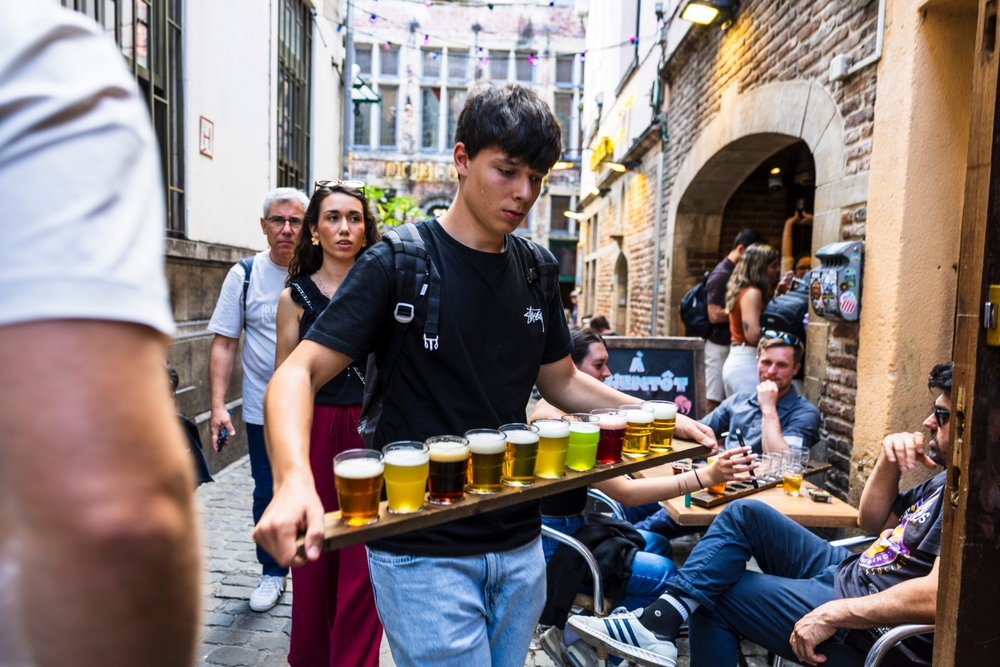
Belgian weather is unpredictable year-round. Rain can arrive and disappear quickly, even in summer.
When planning a trip to Belgium, layers and a light rain jacket matter more than obsessing over forecasts.
Spring is cool and often damp, with temperatures usually sitting between about 6–15°C, and it can feel colder than expected in the mornings.
Summer is the most reliable season, with comfortable daytime temperatures around 14–22°C, occasional warmer spells, and cooler evenings, though rain is still common.
Fall starts mild but becomes noticeably greyer and wetter as it goes on, with temperatures dropping back into the 10–17°C range and a persistent damp chill by late autumn.
Winter is colder and greyer than snowy, typically hovering around 1–7°C, with short days, overcast skies, and a dampness in the air made worse by sharp winds.
Belgium Is Generally Safe, But Pickpocketing Is the Main Risk
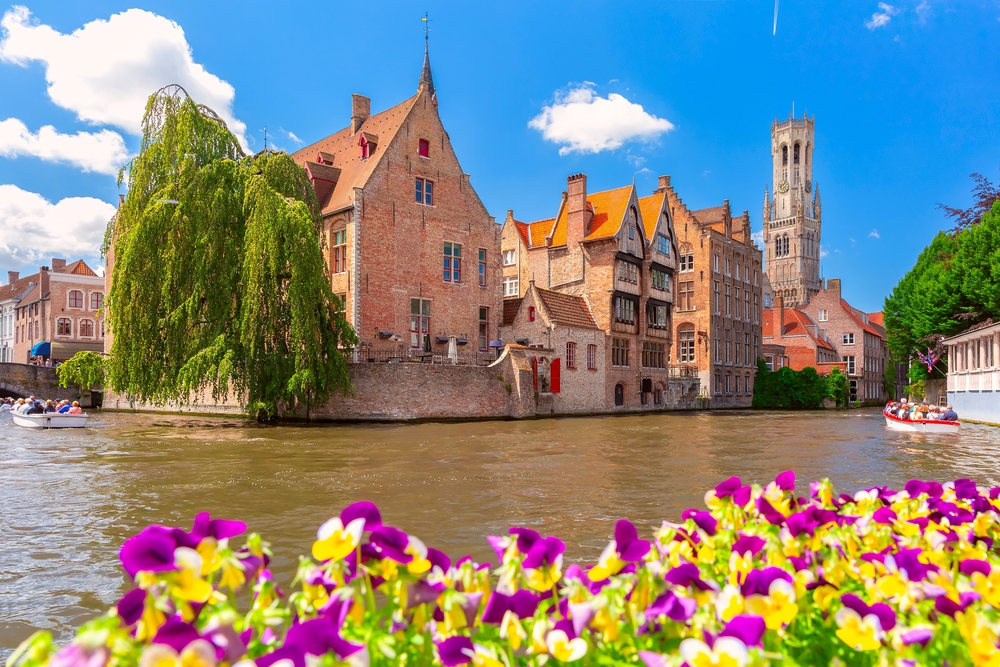
Belgium is a very safe country overall, especially compared to many large European destinations, but petty theft is the most common issue travelers run into.
Pickpocketing can be a problem in busy areas of Brussels, major train stations, and crowded tourist spots, particularly on public transport.
When traveling to Belgium, basic precautions go a long way. Keep bags zipped.
Don’t leave phones on café tables, and be mindful in crowded trams or trains.
Violent crime against tourists is rare, but situational awareness matters in busy urban areas.
I always travel with an anti-theft bag.
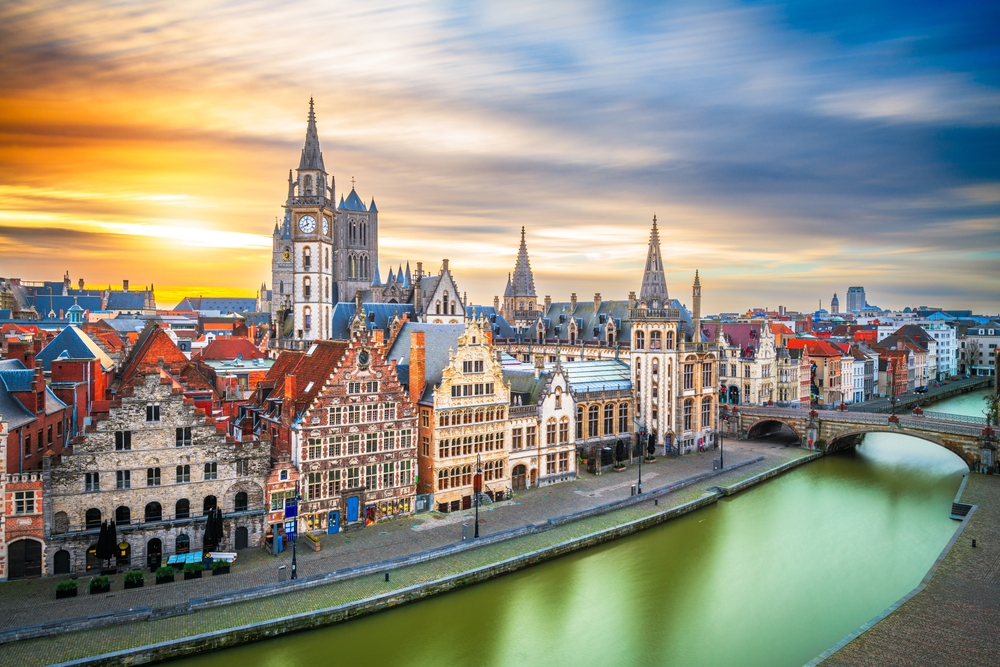
Traveling to Belgium: Essentials Packing List
Here are my tips on how to pack lightly. using a carry-on when traveling. And WHY it is almost a necessity!
This unisex RFID-blocking concealed travel pouch is lightweight and comes in several colors.
These RFID sleeves are another solution.
This Anker high-speed phone charging battery is the exact one I carry on all my trips.
Don’t forget Apple AirTags to track your luggage. (Whether you fly or drive.)
My daughter gifted me this FugeTek selfie stick and tripod setup for my birthday.
It is made of lightweight aluminum and is so easy to use.
I never leave home on a trip without a non-disposable water bottle.
Then this collapsible silicone foldable water bottle would work well for you as well.
This foldable water-resistant backpack would be great for a daily go-pack.
These quick-dry slip-on Aqua shoes will be useful at pools or beaches you happen to visit along the way.
These men’s quick-dry trunks are essential.
For women, this one-strap one-piece bathing suit is amazing.
Consider bringing along quick-dry super-absorbent microfiber towels.
This wet-dry bag with handles is a good option.
These unisex polarized sunglasses come in many lens colors and frame designs and are extremely affordable, too.
If you like aviator-style sunglasses, these polarized aviators may interest you.
As an Amazon Affiliate, I earn from your qualifying purchases.
Traveling to Belgium: You Don’t Need A Car
Belgium is not a car-friendly destination for visitors.
City centers are compact, parking is limited and expensive, and many areas restrict traffic altogether.
Trains and local public transport are far more efficient for getting around, especially between Brussels, Bruges, and Ghent.
If you’re traveling to Belgium, renting a car usually adds stress rather than convenience unless you’re visiting very rural areas.
For most trips, trains and walking are simpler, cheaper, and less frustrating.
Public Holidays Can Disrupt Plans
Belgium observes several public holidays, and when they happen, closures happen.
They take their public holidays seriously.
When planning a Belgium trip, it’s worth checking holiday dates in advance so you’re not surprised by closed shops or reduced services.
Cash Is Useful, And Belgium Uses the Euro
Belgium uses the euro (€), and credit card payments are widely accepted, especially contactless.
That said, cash is still useful in everyday situations.
Small cafés, bakeries, markets, and public toilets sometimes prefer cash, and not all places accept foreign credit cards.
ATMs are easy to find in cities and towns, but it’s smart to carry a small amount of euros so you’re not caught out for minor purchases.
When traveling to Belgium, relying entirely on cards can be inconvenient in smaller or more traditional settings.
Grocery Stores and Pharmacies Have Limited Hours
Shops in Belgium do not stay open late by default.
Many grocery stores close by early evening, and pharmacies often keep traditional hours, especially outside city centres.
On Sundays and public holidays, options can be very limited.
When visiting Belgium, it’s smart to grab essentials earlier in the day rather than assuming you can pop out late at night.
This catches a lot of travelers off guard, particularly those used to 24-hour convenience stores.
The Museums in Belgium Are Excellent And Manageable
Belgium’s museums are consistently good and rarely overwhelming.
Art, history, fashion, comics, and design are all well represented.
I found them really enjoyable and not overcrowded or overwhelming.
They normally close between 5 and 6, and most are closed on Monday.
They do charge entry, but many museums are free on the first Wednesday or Sunday of the month.
Look Here for online tickets to save you time: Brussels: Museum of Illusions Entry Ticket, Brussels: Belgian Beer World Ticket with Rooftop & Free Beer, Brussels: Autoworld Museum Ticket, Bruges: Frietmuseum Entry Ticket
Traveling to Belgium: Chocolate Quality Varies Widely
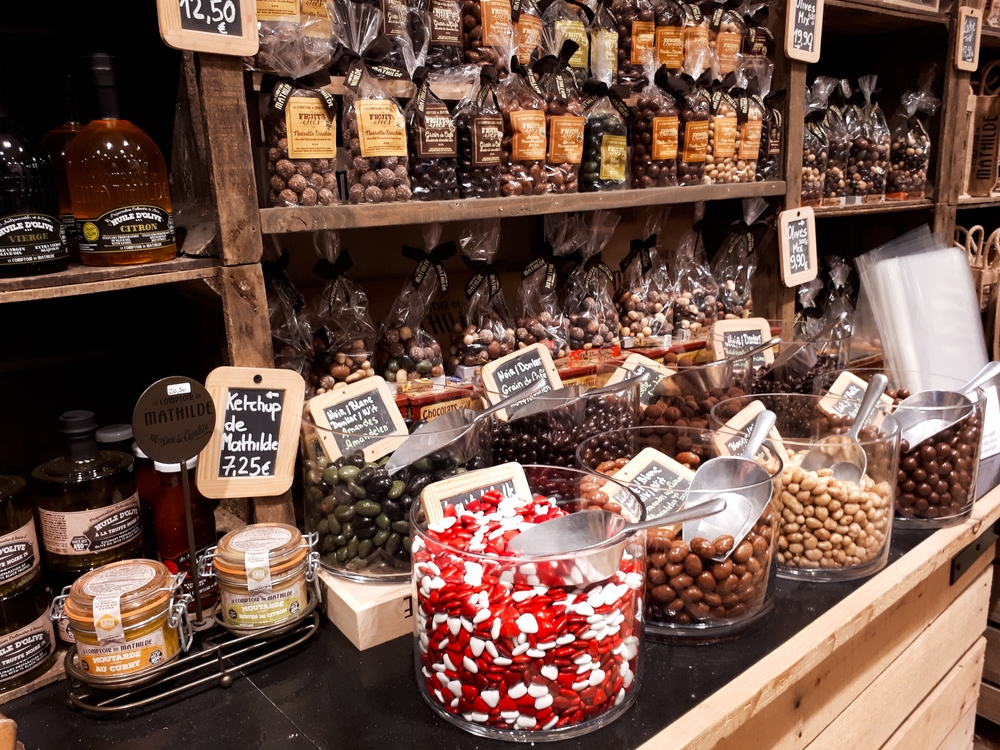
Belgium is famous for chocolate, but not all chocolate here is exceptional.
Tourist areas are packed with glossy shops selling average products.
When traveling to Belgium, look for quieter chocolatiers or shops that feel understated.
I found the best chocolate was often in the places that you least expected.
This Ghent: Belgian Chocolate Walking Tour with Tastings looks fabulous.
Or how about a Bruges: Belgian Chocolate Making Workshop with Beer Tasting?
Belgian Food Is Hearty, And Fries Are a Big Deal
Belgian food is comforting, filling, and very different from what many people expect.
Meals tend to be rich, with stews, sauces, fries, and bread designed to soak everything up.
Portions are generous, and I found I stayed full for much longer than expected, so lighter lunches helped balance things out.
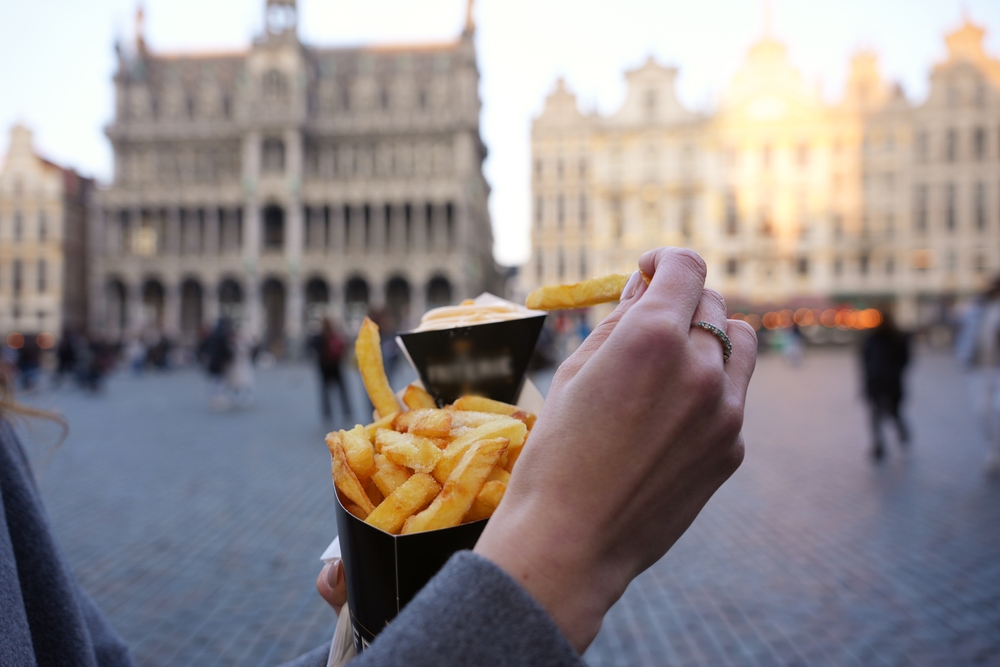
Also, fries in Belgium are not a side dish; they’re a cultural institution. They’re double-fried, served in paper cones, and paired with an overwhelming number of sauces.
If you’re visiting Belgium, eat fries from a proper frituur at least once.
This is everyday food, not a tourist gimmick, and honestly, there’s nothing quite like Belgian fries, except maybe their waffles.
How about trying this Brussels: City Center Guided Food Tour with Tastings? Or Brussels: Waffle Making Workshop – All You Can Eat?
 The Revolutionary Road Trip: 3 Iconic Routes to Celebrate America 250