Planning on traveling to Croatia this year? After several visits, I’ve put together the practical tips I wish I’d known before my first trip.
Whether you’re wondering about the euro, Schengen rules, getting around, safety, or what to pack, here’s everything you need to know before visiting Croatia.
Croatia will surprise you, it did me. You will find epic European food, super interesting history and architecture, along with some of the most stunning scenery on the planet.
Croatia at a glance
- Currency: Euro (€)
- Language: Croatian
- Capital: Zagreb
- Schengen: Yes
- Driving side: Right
- Plug type: Type C & F
- Tap water: Safe to drink
- Best months: May, June, September
Read about 12 Unique Day Trips From Split for suggestions of fantastic day trips to take when you are visiting Croatia.
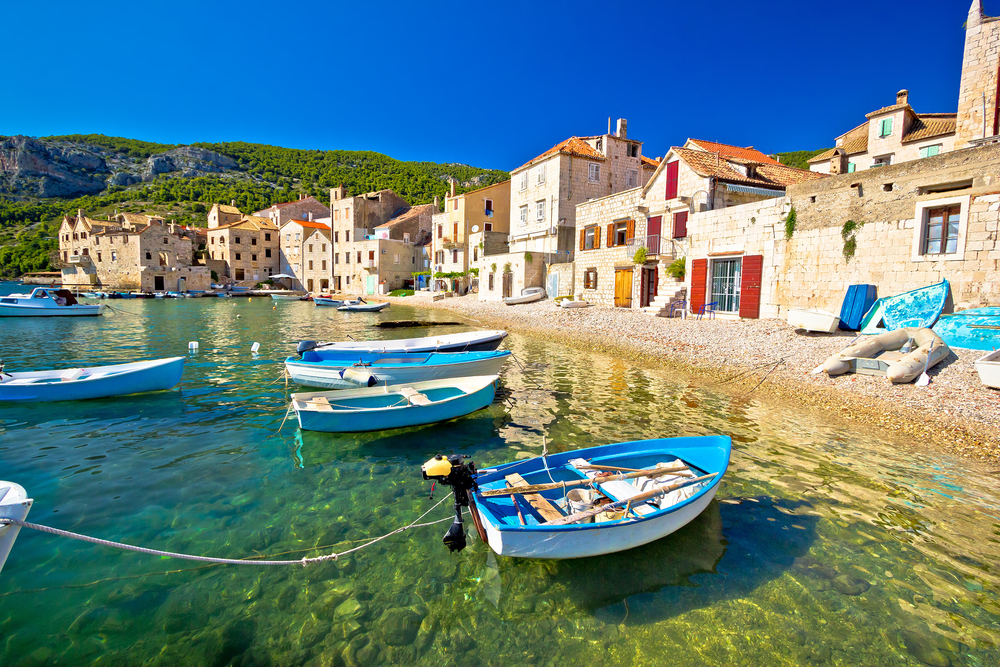
Traveling to Croatia: 14 Crucial Things to Know Before You Go
Do You Need A Visa For Croatia?
Americans traveling to Croatia are not required to obtain a visa. However, only a 90-day temporary work or leisure stay is permitted within Croatia.
Croatia is in the European Union, including the Schengen Area.
If you are not holding an American passport, it is wise for you to research your own country’s Croatian visa requirements.
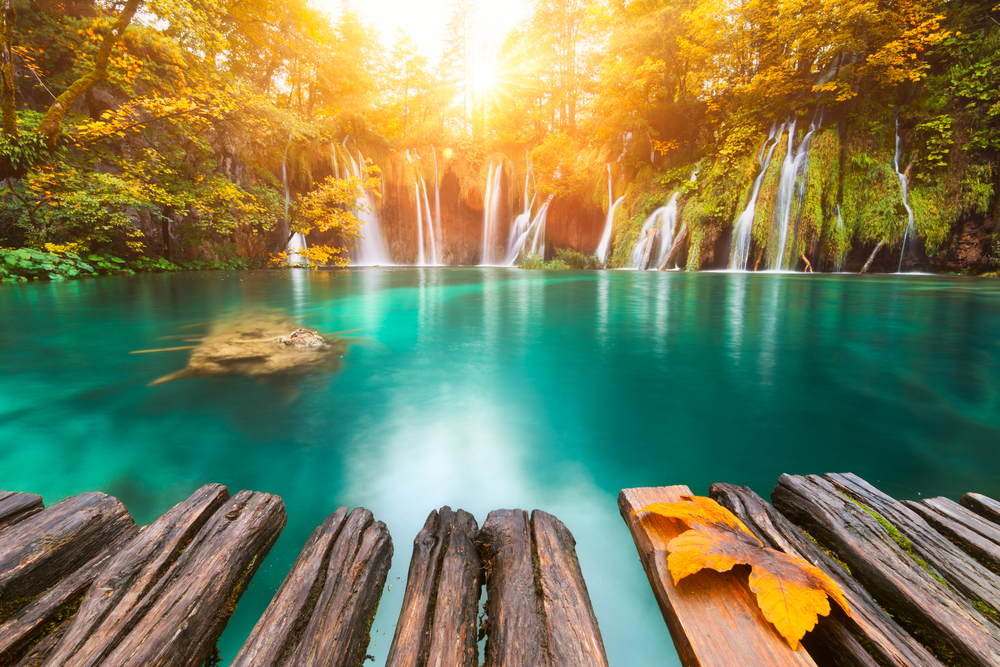
Passport And Entry Requirements For Croatia
You will need a current and valid passport to enter Croatia.
Your passport’s valid date must extend longer than three months past your departure from Hungary.
An expiration of six months is suggested.
In addition, Croatia requires one full blank page.
Check your passport dates and empty pages well in advance of your trip.
Expedited handling fees to renew your passport are quite expensive.
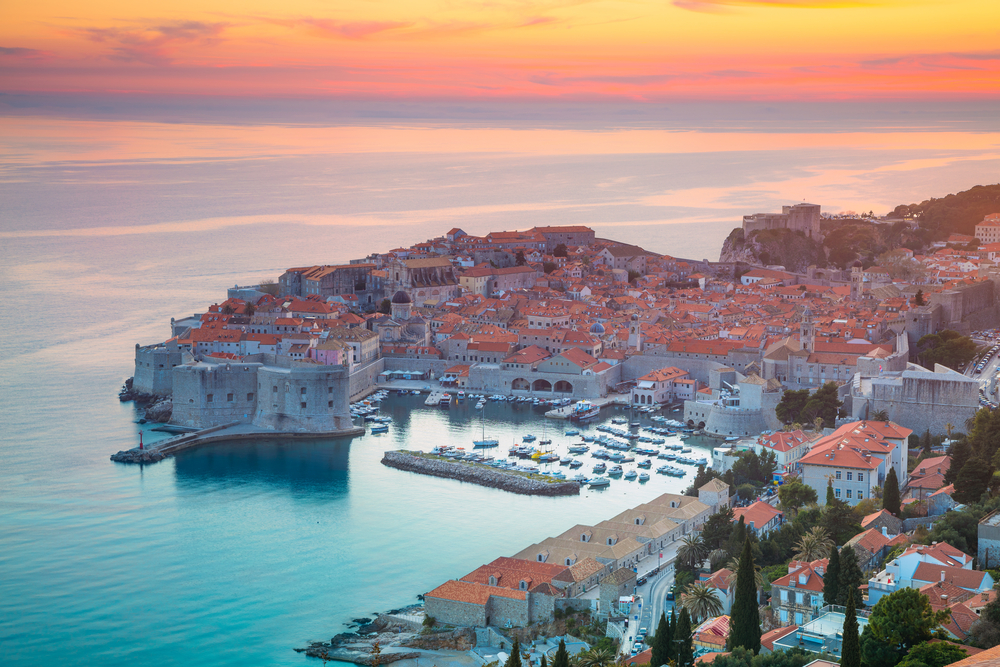
Phone, Internet And SIM Cards In Croatia
When traveling to Croatia, one of the best pieces of advice I can share with you
is to purchase a Croatian SIM card for your smartphone once you arrive.
With the new SIM card inserted, the local cell towers will recognize your phone as Croatian,
and you will have improved cell service. And much-improved Wifi.
Your phone number will be new as well. It is best for you to use Facebook Messenger
or the What’s App to remain in contact with your family and friends back home.
Consider having an employee at the store where you purchase the SIM to insert and set up your phone.
Sometimes instructions are in the native language and create a dilemma for you.
Remember to keep your original SIM card somewhere safe, because you have to reinsert it back into your phone once you are done visiting Croatia.
Look for Croatian SIM cards at airport kiosks upon arrival. Or in major Croatian cities.
Money In Croatia: Cash, Cards And Euros
This answer is simple: when visiting Croatia, you will want to have both!
In the larger metropolitan areas, such as Dubrovnik and Zagreb,
merchants such as restaurants and bars will readily accept credit cards as the preferred form of payment.
As you move out of the major cities and into the smaller villages,
Croatian currency (the Kuna) may be the only form of payment.
Croatia is part of the European Union and the currency is the Euro.
You will receive the best exchange rate when traveling to Croatia if you use an ATM.
I heartily suggest you use an ATM before you leave the airport to withdraw Croatian Kuna.
Be aware there are fees to use an ATM. So I suggest you withdraw larger sums of money, that will last you a longer period of time.
This way you will not have to keep paying the ATM transaction fees.
Also, check with your bank at home before traveling to Croatia.
Find out the names of “in-network” bank ATMs, so you do not have to pay additional out-of-network fees as well.
If you need to exchange money into Kunas, your best and safest option would be to visit a Croatian bank.
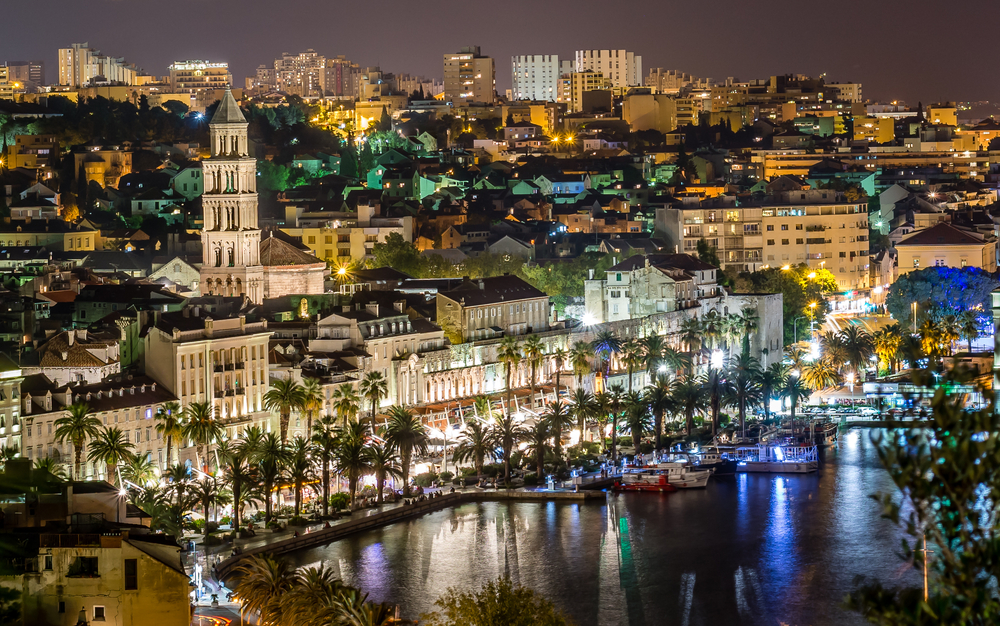
Tell Your Bank Before Travelling To Croatia
Call your credit card company to inform them of the dates you will be traveling to Croatia.
And out of your home country. This is for your safety.
Check to see if the credit cards you are currently using charge foreign transaction fees
every time you use them when you are out of the country.
If it does, inquire about applying for a credit card that does not charge such fees.
Tipping In Croatia: What Tourists Should Know
There is a tipping culture in Croatia.
In Croatian restaurants, it is standard to leave 10% gratuity, even if there is a service charge added to your bill.
If the food and service were exceptional, it is acceptable to tip up to 15%.
In a bar or cafe, simply round up. It is not expected, but simply a kind gesture to acknowledge your server.
If you are on a tour, it is acceptable to tip your tour guide as a gesture of gratitude.
There is no standard, so tip according to your experience with your guide.
If you take a taxi or Uber ride, no tip is expected, due to the metering. However, rounding up is generally standard practice.
Traveling to Croatia: Can You Drink Tap Water In Croatia?
Yes. Drinking tap water in Croatia is considered safe.
From Zagreb to Split, and locations in between, the government monitors the drinking water to verify it is safe for human consumption.
Bottled water is always an option everywhere if that makes you more comfortable.
But now you know that when traveling to Croatia you do not have to worry about the quality of the drinking water.
If you have any trips planned for any rural villages or locations in Croatia, it is recommended you drink bottled water.
Language In Croatia: Do People Speak English?
Croatian is the main language spoken by those living in Croatia.
However, the majority of Croatians speak another language. And most of them speak English.
In the smaller towns and villages, if you should encounter a bit of communication difficulty,
there are smart phone apps to download, like Google Translate.
Through hand gestures and the phone translation app, I believe you will be fine.
Read my tips on selecting 9 unique day trips from Dubrovnik that will wow you!
Is Croatia Safe For Tourists?
Let me begin by revealing that my family and I have been robbed in broad daylight in Paris France.
Three out of 4 of us! All on the same day, but at different locations.
So I am aware of unsafe circumstances.
I always felt safe when in Croatia.
Of course, remain vigilant with your personal space. And your belongings.
Traveling To Croatia: What Plug Adapter Do You Need?
When traveling to Croatia, do not count on your cruise line, hotel, or Air BnB to have enough electrical adapters for all of your devices.
If you have multiple devices to charge every night, like I did when traveling Croatia,
you will want to bring along a travel adapter that can charge several devices just in case,
to fit into the standard European plugs.
Book Croatia Tours And Attractions In Advance
It is prudent to select which major attractions you want to visit and purchase tickets online before traveling to Croatia.
You will save money, most likely a lot of it.
Also, most online options come with skip the line benefits. You will be able to walk right in.
So purchasing tickets online beforehand will save you both time and money when visiting Croatia.
Here are some of my favorite Croatia Tours.
From Split: SMART Krka National Park Tour
Mostar and Kravice Waterfalls: Day Trip from Dubrovnik
Split: 1.5-Hour Walking Tour with Diocletian’s Palace
Peljesac Peninsula & Korcula Island Day-Trip from Dubrovnik
Traveling To Croatia: How To Save Money On Food
Yes, it is really fun to visit as many restaurants as possible for breakfast, lunch, and dinner when visiting Croatia.
However, that may put a strain on your budget. And it can get kind of tiring.
There are grocery stores and bodegas all throughout Croatia you can visit.
Sandwiches and snack foods to carry along in your backpack are great options.
You will appreciate having them for nourishment during your long days of touring.
Fresh fruits such as apples and oranges are sturdy enough to last several hours in a backpack and remain intact.
More importantly, they are healthier than sugary and salty options.
Granola is another delicious snack.
Yogurt, drinks, and chips/snacks are all great options to have available to you where you are staying. Or on the go.
If you are looking to save money the Split: Hop-on-Hop-off Bus Tour with Guided Walking Tours will also help.
Croatia Beaches, History And Architecture Are Worth Exploring
Inhabited since the Old Stone Age, Croatia has an interesting history.
Its architectural styles are a blend of Baroque, Romanesque, and Renaissance. Quite opulent.
And less sophisticated traditional stone houses with the red-tiled roofs dot the Adriatic Coast.
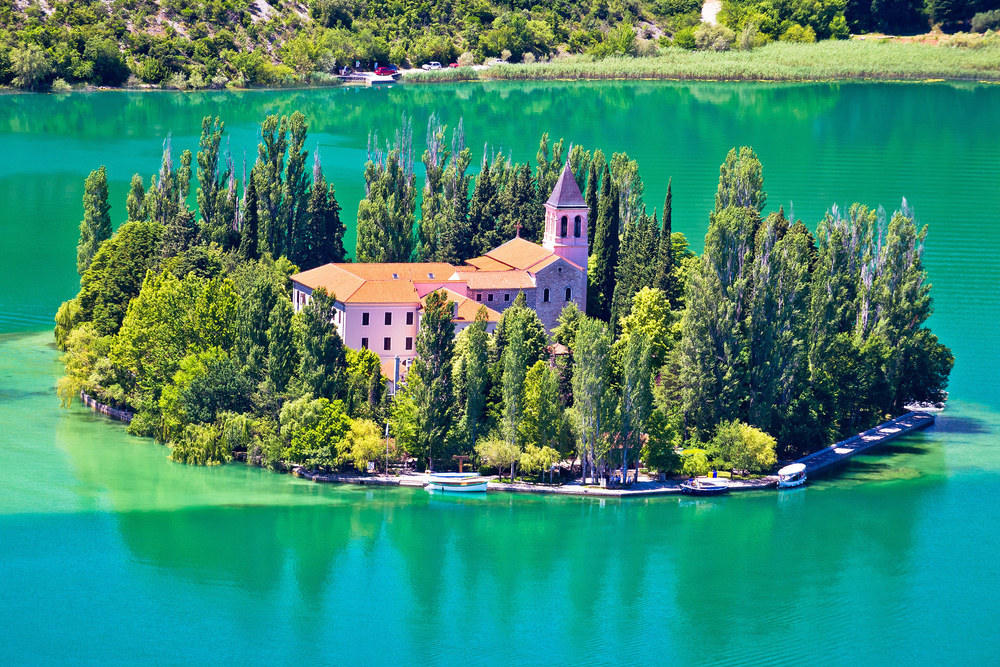
However, people worldwide are traveling to Croatia for its beaches.
They are of the pebbled variety, and bringing along a pair of water shoes is a wise idea.
The bluish-green waters of the Adriatic Sea are unforgettable.
Traveling to Croatia: Essentials Packing List
Here are my tips on how to pack lightly using a carry-on when traveling. And WHY it is almost a necessity!
This unisex RFID-blocking concealed travel pouch is lightweight and comes in several colors.
These RFID sleeves are another solution.
This Anker high-speed phone charging battery is the exact one I carry on all my trips.
Don’t forget Apple AirTags to track your luggage. (Whether you fly or drive.)
My daughter gifted me this FugeTek selfie stick and tripod setup for my birthday.
It is made of lightweight aluminum and is so easy to use.
I never leave home on a trip without a non-disposable water bottle.
This collapsible silicone foldable water bottle would work well for you as well.
This foldable water-resistant backpack would be great for a daily go-pack.
These quick-dry slip-on Aqua shoes will be useful at pools or spas you happen to visit along the way.
These men’s quick-dry trunks are essential.
For women, this one-strap one-piece bathing suit is amazing.
Consider bringing along quick-dry super-absorbent microfiber towels.
This wet-dry bag with handles is a good option.
These unisex polarized sunglasses come in many lens colors and frame designs and are extremely affordable, too.
If you like aviator-style sunglasses, these polarized aviators may interest you.
As an Amazon Affiliate, I earn from your qualifying purchases.
Frequently Asked Questions About Traveling To Croatia
Is Croatia expensive for tourists?
Croatia is generally more affordable than many Western European countries, although prices have risen in recent years, especially in popular destinations like Dubrovnik and Hvar.
Accommodation and restaurants near the coast are usually more expensive during the summer, while inland cities such as Zagreb often offer better value.
Travelling during the shoulder seasons of May, June, or September can also help you save money.
What is the best month to visit Croatia?
The best time to visit Croatia depends on what you want to do. J
une and September are my favourite months because the weather is warm, the sea is perfect for swimming, and the crowds are smaller than in July and August.
If you’re hoping for beach weather, late spring through early autumn is ideal,
while April and October are great for sightseeing and national parks.
How many days do you need in Croatia?
I recommend spending at least 7 to 10 days in Croatia on your first visit.
This gives you enough time to explore cities like Dubrovnik or Split,
visit a few islands, and experience Croatia’s beautiful coastline without feeling rushed.
If you only have a long weekend, you can easily enjoy one city and a couple of nearby day trips.
Is Croatia a good destination for first-time visitors to Europe?
Yes! Croatia is one of my favourite countries to recommend to first-time visitors.
It’s easy to get around, widely considered safe, and many locals speak excellent English.
You’ll find beautiful beaches, historic old towns, national parks, and incredible food,
making it a fantastic introduction to European travel.
Here I have listed 14 of the most important things to know before traveling to Croatia and experiencing the best things to do in Zadar Croatia.

 15 Best Brunch Spots in London: Top Bottomless & Foodie Cafés
Michele
Hi, I enjoyed reading your tips, but wanted to just let you know that you put this in your article: “Let me being by revealing that my family and I have robbed in broad daylight in Paris France. three out of 4 of us! All on the same day, but at different locations.” I think you meant Let me begin, and also I think you meant to say you got robbed instead of that you robbed. 😉 Have fun on your next trip!
Linda Malys Yore
Hi Michele, thank you so much for taking the time to bring this to my attention! It has been corrected.